

The Everyday Habits That Protect Your Smile Long-Term
11 July 2026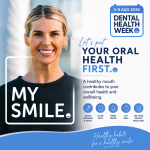
Dental Health Week 2026: Back to the dentist!
11 July 2026
Smiling is something most people do naturally every day. It happens during conversations, photographs, social events, laughter, and countless small moments throughout life. However, many people become so self-conscious about their smile that they begin hiding it without even fully realising they are doing it.
Some people smile with their lips closed in photos. Others cover their mouth while laughing, avoid being photographed altogether, or become careful about how widely they smile in social situations. Often these habits develop gradually over time and become so automatic that people barely notice them anymore.
For many adults, smile confidence is not necessarily about wanting a “perfect” smile. It is often about wanting to feel comfortable, relaxed, and less self-aware when speaking or smiling around other people.
There are many reasons someone may begin hiding their smile. Tooth colour is one of the most common concerns. Teeth naturally darken over time because of ageing, coffee, tea, red wine, smoking, and everyday wear. Even people with healthy teeth sometimes feel self-conscious about staining or discolouration.
Others may feel aware of chipped teeth, crowding, gaps, uneven edges, worn teeth, or older dental work that no longer blends naturally. Some people become concerned about gum appearance, while others dislike how their teeth appear in photographs or under certain lighting.
Importantly, confidence and oral health are closely connected. When people feel uncomfortable about their smile, it can gradually affect social confidence in subtle ways.
Many patients are surprised to realise how long they have been adjusting their behaviour around their smile before seeking advice. Some avoid smiling fully for years before recognising how much it has affected them emotionally.
Social media and constant exposure to highly edited images have also increased pressure surrounding appearance and smiles. Perfectly straight, ultra-white smiles are heavily promoted online, which can leave people feeling more critical of natural imperfections.
However, modern cosmetic dentistry is increasingly moving away from dramatic, artificial-looking results. Today, many patients are actually looking for subtle, natural improvements rather than major transformations.
In many cases, people do not require extensive treatment to feel more confident about their smile. Small refinements can sometimes make a surprisingly significant difference.
Professional whitening may help refresh stained teeth. Minor cosmetic bonding can improve small chips or uneven edges. Replacing older restorations or improving gum health may also subtly enhance the overall appearance of a smile.
Sometimes the biggest improvement is simply restoring comfort and confidence rather than dramatically changing appearance.
It is also important to remember that oral health itself affects smile confidence. Gum inflammation, worn teeth, grinding, and untreated dental issues may all contribute to people feeling self-conscious over time.
Preventive care plays a major role not only in protecting teeth but also in helping smiles look healthier and feel more comfortable long-term.
Many people delay discussing cosmetic concerns because they worry treatment will be expensive, invasive, or focused purely on aesthetics. In reality, consultations are often simply conversations about goals, concerns, and options.
Some patients decide no treatment is necessary after learning more about their smile and oral health. Others choose very conservative improvements that still allow their smile to feel natural and personal.
A healthy smile does not need to look identical to anyone else’s. Individuality, character, and natural features are increasingly valued in modern dentistry.
The goal is not perfection. It is helping people feel comfortable enough to smile freely without constantly thinking about their teeth.
Confidence can influence many parts of life, including social interactions, professional situations, photographs, and everyday communication. Feeling more comfortable smiling often affects people emotionally in ways they did not expect.
One of the most rewarding parts of dentistry is seeing patients gradually become more relaxed and confident about their smile again. Sometimes very small changes create a much larger emotional impact than people anticipate.
Importantly, no one should feel embarrassed about discussing concerns surrounding their smile. These feelings are extremely common and affect people of all ages.
Whether concerns relate to colour, alignment, wear, chips, or simply maintaining healthy teeth and gums, understanding available options can often feel reassuring and empowering.
If you have found yourself hiding your smile, avoiding photographs, or feeling self-conscious about your teeth, come visit us. Our team can discuss your concerns, assess your oral health, and help you explore personalised options to support a healthy, natural-looking smile you feel comfortable sharing confidently every day.